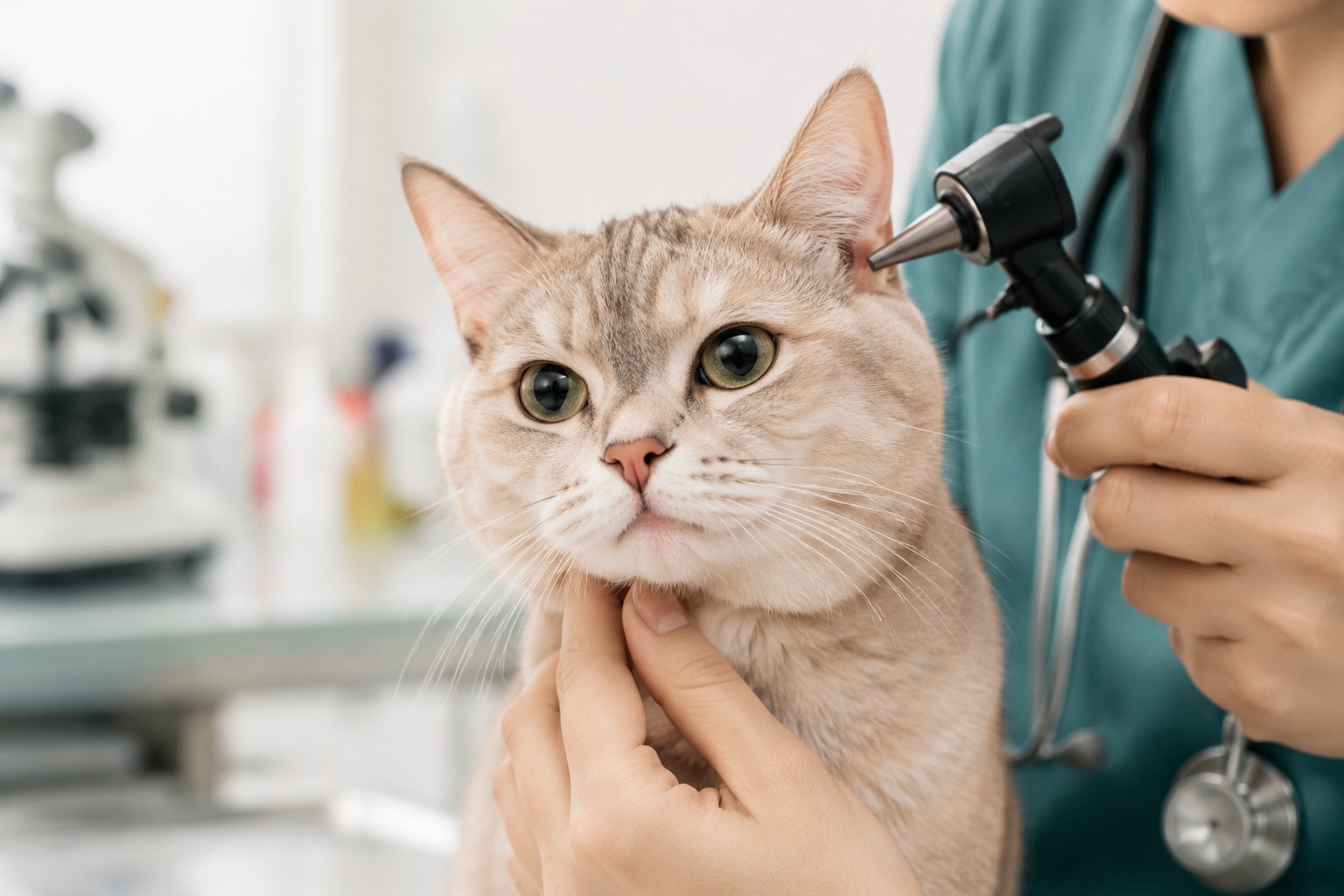
Educational pet-health and visit-preparation reference. Not a diagnosis, prescription, dosage recommendation or substitute for a veterinarian.
Care & observations
- Prevent licking and scratching damage, keep the area dry, and photograph lesions over time for comparison.
- Check all pets for fleas or flea dirt and keep parasite prevention records available for the veterinarian.
- Wash hands after handling suspicious ringworm-like lesions and avoid sharing brushes or bedding until advised.
Seek veterinary care now
- Rapid facial swelling, hives with weakness, breathing trouble, severe pain, spreading deep infection, feverish behavior, or skin sloughing.
- A wound or hot spot that is rapidly enlarging, very painful, foul-smelling, or filled with pus.
Contact your veterinarian soon
- Itch, hair loss, scabs, odor, recurrent skin flares, suspected ringworm, suspected mites, or skin signs in multiple pets.
- Skin problems in puppies, kittens, senior pets, diabetic pets, immune-compromised pets, or pets already using steroid medication.
What to avoid
- Do not apply human steroid creams, essential oils, disinfectants, alcohol, hydrogen peroxide, or random antifungal products without veterinary direction.
- Do not assume every circular hairless patch is harmless; some skin infections can spread between pets and people.
MAKE YOUR OBSERVATIONS USEFUL
Bring a clear timeline to your vet
For the changes covered in this guide, note when they started, how often they happen, whether they are worsening and how they differ from your pet’s usual routine. List recent diet changes, medicines, travel or possible ingestion in time order. Add photos or a short video only when it is safe and will not delay care.
Open local health recordsSources & editorial context
- Merck Veterinary Manual: Pet Owners Overview ↗Merck Veterinary Manual
- VCA Know Your Pet ↗VCA Animal Hospitals
- CAPC Pet Owner Resources ↗Companion Animal Parasite Council
- AAHA Clinical Practice Guidelines ↗American Animal Hospital Association
Migrated from the Pet Vet Reference project with its bilingual content preserved. Cited organizations provide background resources and do not endorse this site. Source-based compilation is not individual clinical review; this page does not claim veterinarian sign-off.
Read our editorial policy