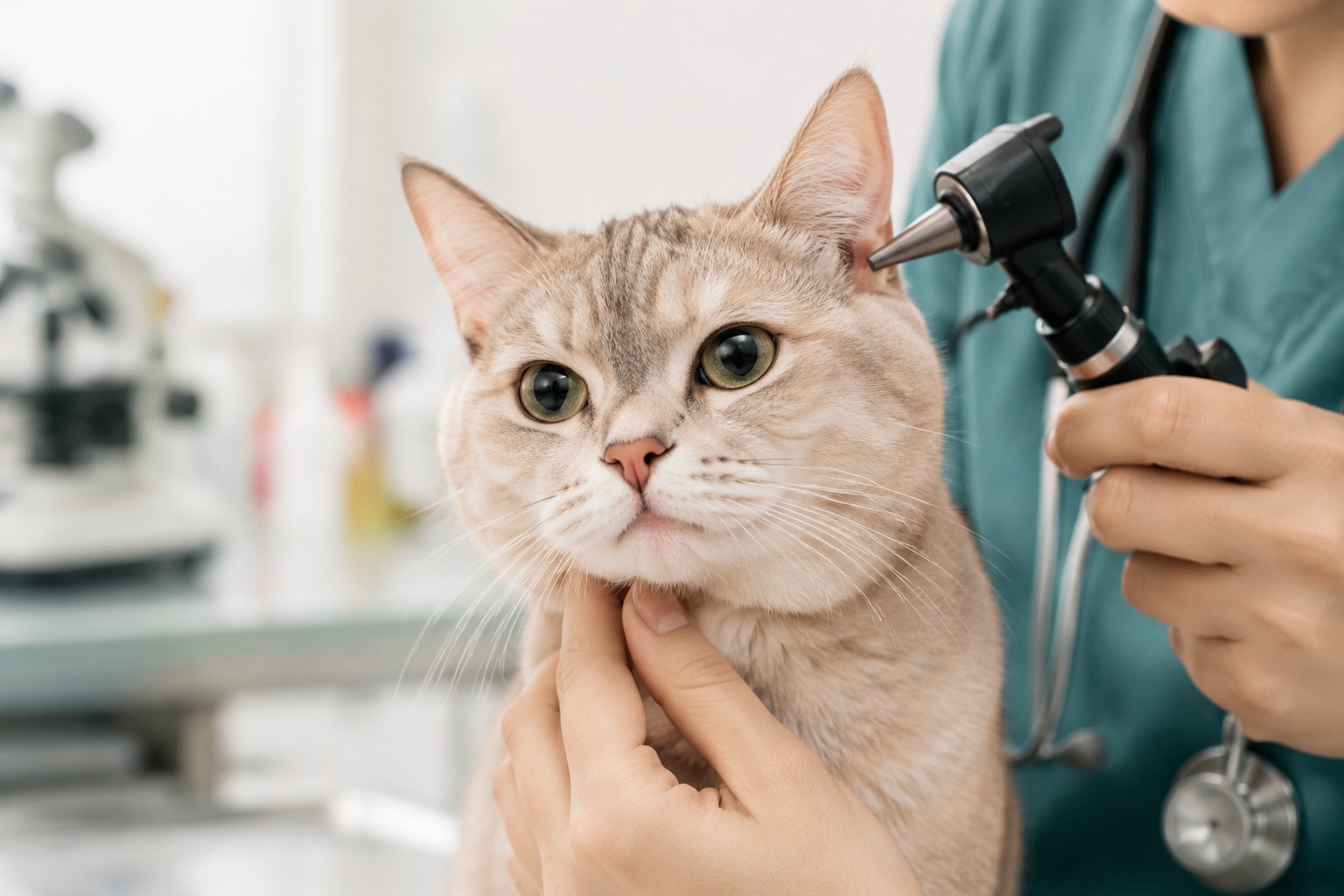
Educational pet-health and visit-preparation reference. Not a diagnosis, prescription, dosage recommendation or substitute for a veterinarian.
Care & observations
- Record which body areas are itchy, whether ears are involved, and if flares link to food, seasons, or walks outdoors.
- Check for redness, odor, hair loss, skin darkening, or recurrent licking and chewing.
- Photograph flare-ups because the pattern over time helps a veterinarian assess recurrence.
Seek veterinary care now
- Rapid facial swelling, breathing trouble, collapse, or severe generalized hives.
Contact your veterinarian soon
- Recurrent itching with ear infection signs, skin wounds, odor, or sleep disruption.
What to avoid
- Do not keep rotating shampoos, creams, or human antihistamines without a veterinary plan.
MAKE YOUR OBSERVATIONS USEFUL
Bring a clear timeline to your vet
For the changes covered in this guide, note when they started, how often they happen, whether they are worsening and how they differ from your pet’s usual routine. List recent diet changes, medicines, travel or possible ingestion in time order. Add photos or a short video only when it is safe and will not delay care.
Open local health recordsSources & editorial context
- AAHA Clinical Practice Guidelines ↗American Animal Hospital Association
- VCA Know Your Pet ↗VCA Animal Hospitals
- Veterinary Partner ↗VIN / Veterinary Partner
Migrated from the Pet Vet Reference project with its bilingual content preserved. Cited organizations provide background resources and do not endorse this site. Source-based compilation is not individual clinical review; this page does not claim veterinarian sign-off.
Read our editorial policy