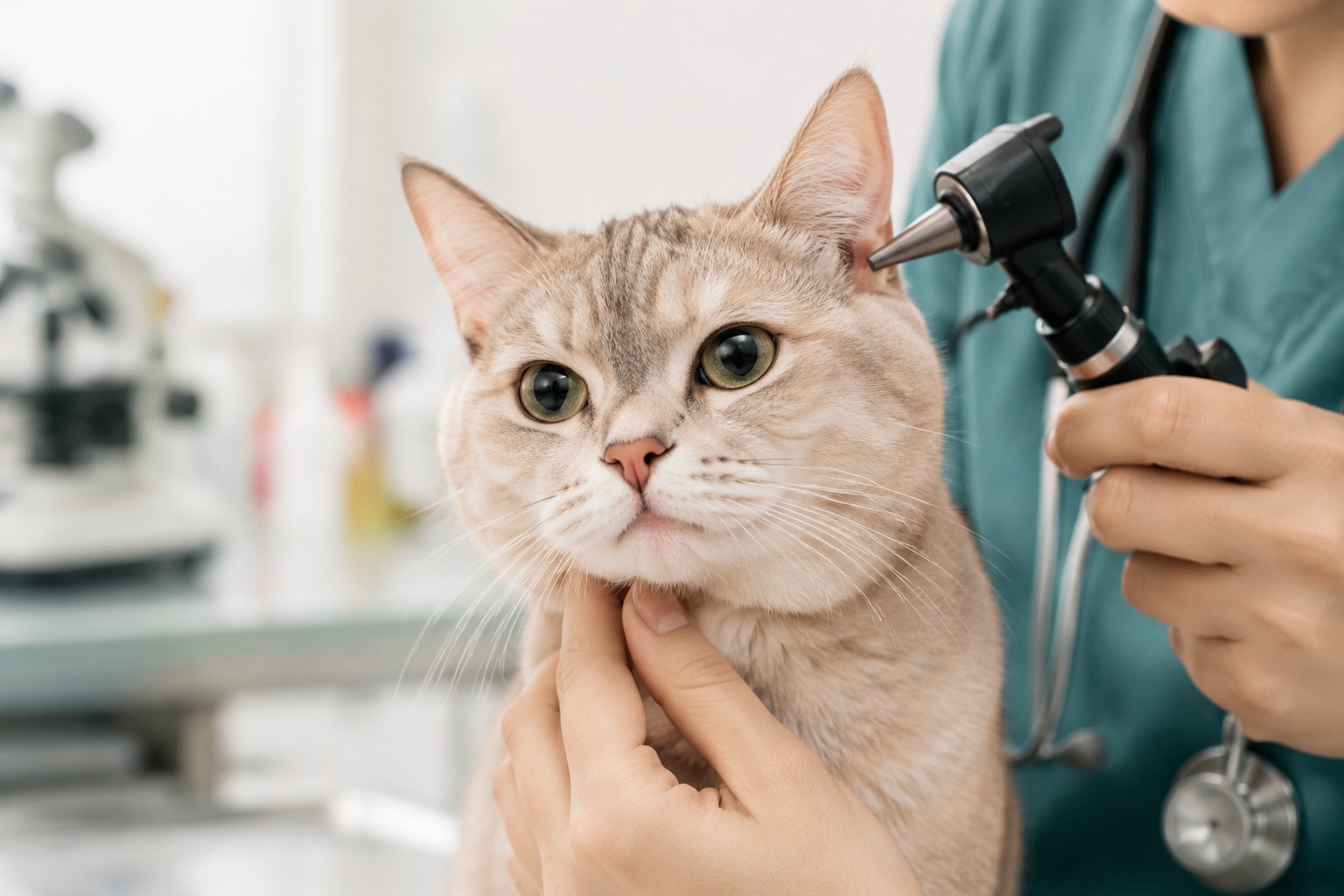
Educational pet-health and visit-preparation reference. Not a diagnosis, prescription, dosage recommendation or substitute for a veterinarian.
Care & observations
- Limit close contact between affected pets and high-risk people, wash hands after handling, and keep bedding, brushes, and carriers separate until a veterinarian advises otherwise.
- Photograph lesions weekly in similar lighting and note whether new patches appear on other pets or people.
- Vacuum and clean shed hair from resting areas; ask the clinic what environmental cleaning is appropriate for the confirmed organism and household.
Seek veterinary care now
- Rapidly spreading painful skin, pus, feverish behavior, severe lethargy, facial swelling, or skin disease in a very young, frail, or immune-compromised pet.
Contact your veterinarian soon
- Circular hair loss, scaling, crusting, suspected ringworm, multiple pets affected, recurrent patches, or people in the home developing suspicious skin lesions.
- Before using antifungal shampoos, dips, creams, or disinfectants, especially around cats, young pets, or damaged skin.
What to avoid
- Do not apply human antifungal, steroid, essential oil, bleach, alcohol, or disinfectant products to lesions without veterinary direction.
- Do not assume ringworm is only a cosmetic issue; spread control and confirmation matter for multi-pet homes.
MAKE YOUR OBSERVATIONS USEFUL
Bring a clear timeline to your vet
For the changes covered in this guide, note when they started, how often they happen, whether they are worsening and how they differ from your pet’s usual routine. List recent diet changes, medicines, travel or possible ingestion in time order. Add photos or a short video only when it is safe and will not delay care.
Open local health recordsSources & editorial context
- Cornell Feline Health Center ↗Cornell University College of Veterinary Medicine
- CDC Healthy Pets, Healthy People ↗Centers for Disease Control and Prevention
- Merck Veterinary Manual: Pet Owners Overview ↗Merck Veterinary Manual
- VCA Know Your Pet ↗VCA Animal Hospitals
Migrated from the Pet Vet Reference project with its bilingual content preserved. Cited organizations provide background resources and do not endorse this site. Source-based compilation is not individual clinical review; this page does not claim veterinarian sign-off.
Read our editorial policy