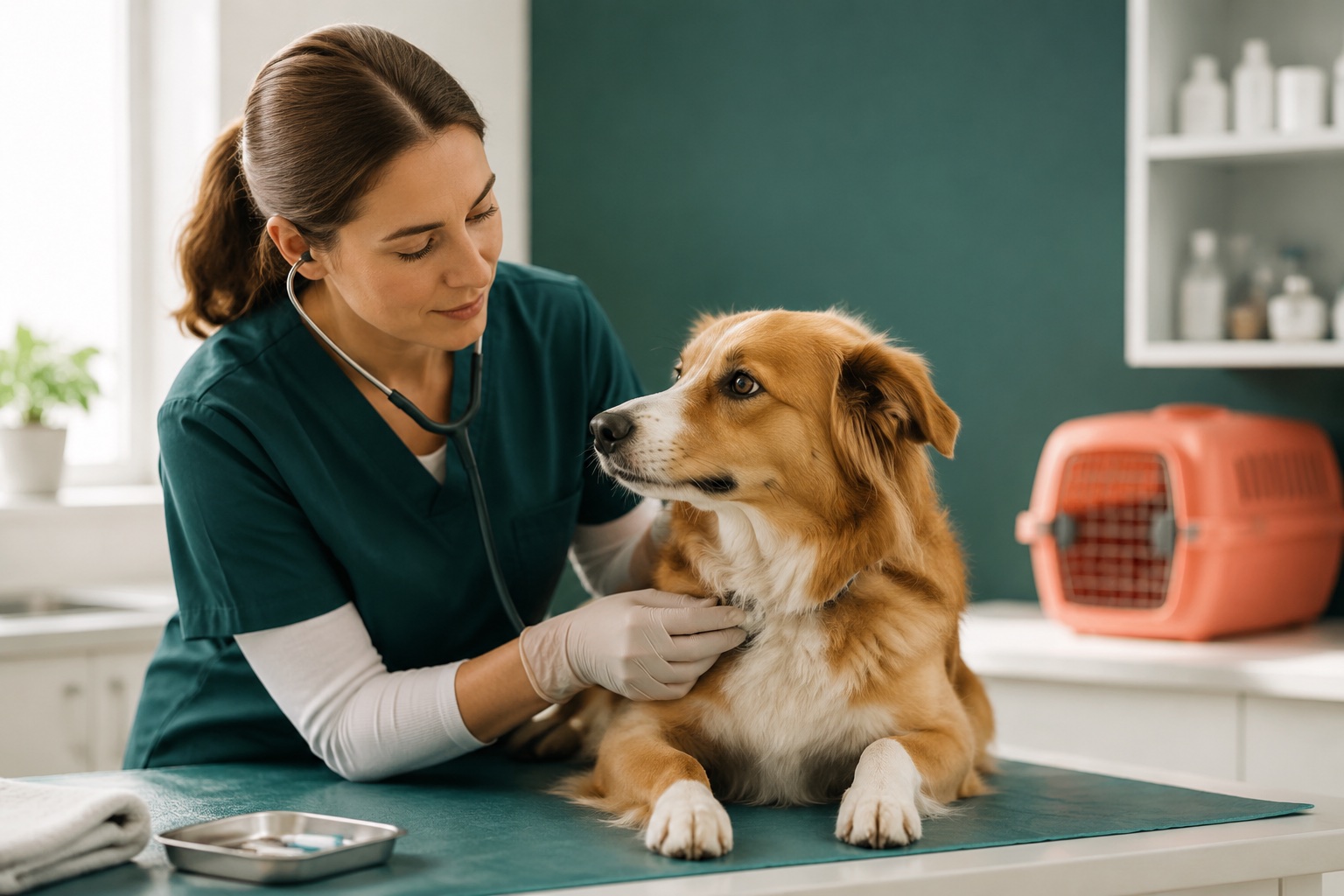
Educational pet-health and visit-preparation reference. Not a diagnosis, prescription, dosage recommendation or substitute for a veterinarian.
Care & observations
- Call the clinic or emergency hospital while preparing to leave if doing so does not delay travel; ask where to park, which entrance to use, and whether they want anything brought in.
- Move the pet away from heat, stairs, traffic, other animals, or children; keep the environment quiet and avoid repeated handling.
- Bring medication packaging, toxin packaging, a food or plant sample when safe, and a short written timeline of what happened.
- Use towels to support the body and protect yourself from bites or scratches; pain and fear can make even gentle pets react suddenly.
Seek veterinary care now
- Go now for breathing difficulty, blue/pale gums, collapse, repeated seizures, heavy bleeding, toxin exposure, heatstroke signs, inability to urinate, swollen belly with retching, or severe pain.
- If travel time is long, call the nearest emergency hospital or veterinary clinic for destination guidance before driving far past available help.
Contact your veterinarian soon
- For stable but concerning signs, use this checklist to organize the visit today or soon, especially when symptoms are new, recurring, or worsening.
- Ask the clinic whether fasting, samples, photos, or medication records are useful before the appointment.
What to avoid
- Do not give human medication, induce vomiting, feed a weak pet, or force water unless a veterinarian or poison specialist tells you to.
- Do not spend long periods searching online when red flags are present; treat the app as a checklist while you move toward care.
- Do not place your face or hands near the mouth of a painful, seizing, or frightened pet.
MAKE YOUR OBSERVATIONS USEFUL
Bring a clear timeline to your vet
For the changes covered in this guide, note when they started, how often they happen, whether they are worsening and how they differ from your pet’s usual routine. List recent diet changes, medicines, travel or possible ingestion in time order. Add photos or a short video only when it is safe and will not delay care.
Open local health recordsSources & editorial context
- AVMA Pet Owner Resources ↗American Veterinary Medical Association
- ASPCA Animal Poison Control ↗ASPCA
- Merck Veterinary Manual: When to See a Veterinarian ↗Merck Veterinary Manual
- AAHA Clinical Practice Guidelines ↗American Animal Hospital Association
Migrated from the Pet Vet Reference project with its bilingual content preserved. Cited organizations provide background resources and do not endorse this site. Source-based compilation is not individual clinical review; this page does not claim veterinarian sign-off.
Read our editorial policy