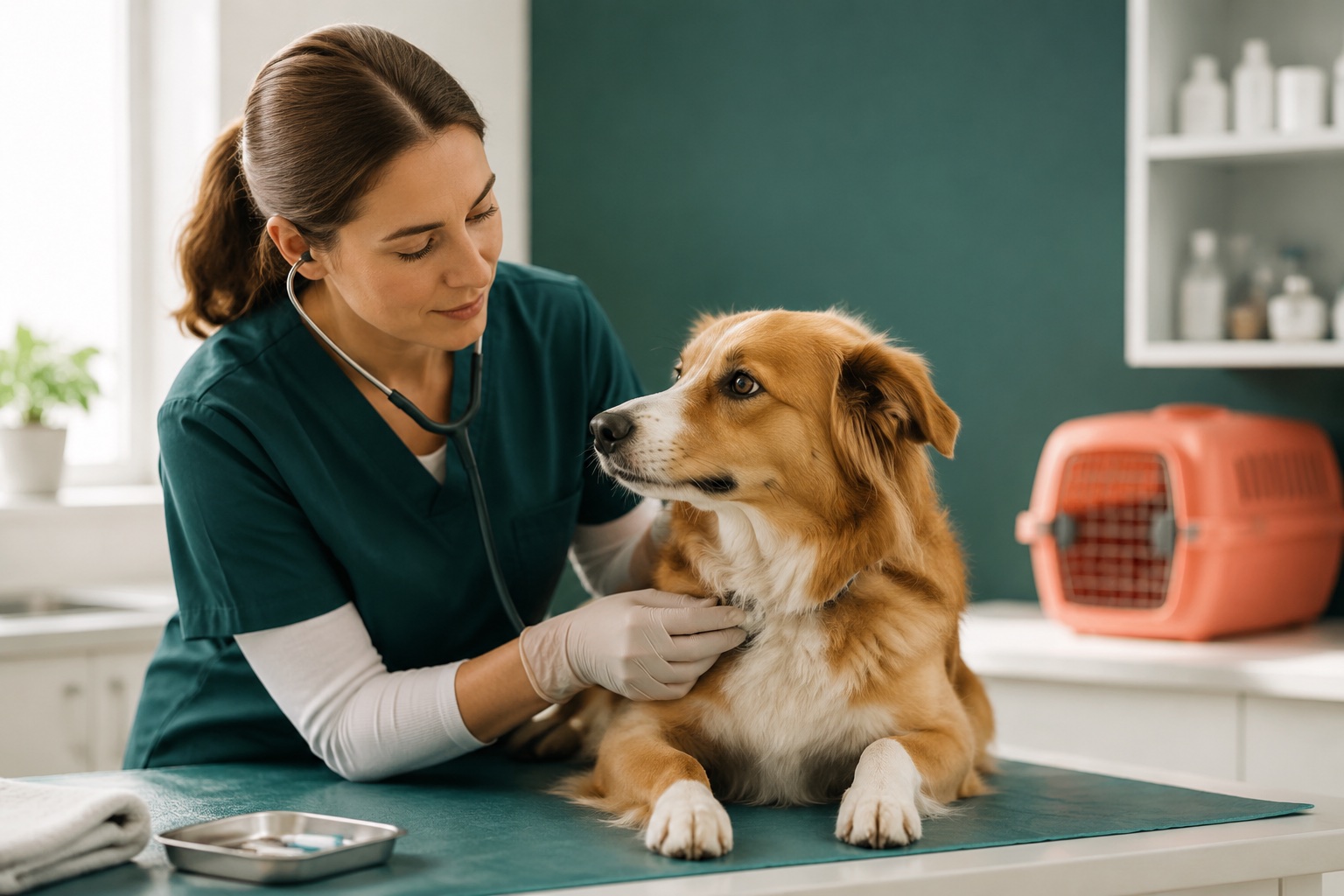
Educational pet-health and visit-preparation reference. Not a diagnosis, prescription, dosage recommendation or substitute for a veterinarian.
Care & observations
- Keep a saved note with your regular clinic, nearest 24-hour emergency clinic, poison-control resource, pet weight, chronic diseases, and current medications.
- If driving, use speakerphone only when safe or have another person call; safety on the road comes first.
- Prepare photos of labels, wounds, vomit/stool, or the litter box, but send them only if the clinic asks and it does not delay arrival.
- Write down the clinic instructions exactly, including fasting, entrance, estimated arrival, and what not to do before arrival.
Seek veterinary care now
- Call and go immediately for breathing distress, collapse, repeated seizures, toxin exposure, heavy bleeding, inability to urinate, heatstroke signs, or swollen belly with retching.
- If a clinic cannot see emergencies, ask for the nearest appropriate facility rather than continuing to explain the whole history.
Contact your veterinarian soon
- For non-urgent appointments, use the same structure to summarize symptoms, but ask about samples, fasting, and records before the visit.
- After the call, add the advice and time to your symptom timeline so it is available at handoff.
What to avoid
- Do not wait on hold with one clinic when another emergency option is available and the pet is unstable.
- Do not minimize toxin, medication, or cost concerns; accurate context helps the team plan safely.
- Do not give food, water, medication, or home remedies while waiting unless a veterinary professional instructs you.
MAKE YOUR OBSERVATIONS USEFUL
Bring a clear timeline to your vet
For the changes covered in this guide, note when they started, how often they happen, whether they are worsening and how they differ from your pet’s usual routine. List recent diet changes, medicines, travel or possible ingestion in time order. Add photos or a short video only when it is safe and will not delay care.
Open local health recordsSources & editorial context
- AVMA Pet Owner Resources ↗American Veterinary Medical Association
- AAHA Clinical Practice Guidelines ↗American Animal Hospital Association
- Merck Veterinary Manual: When to See a Veterinarian ↗Merck Veterinary Manual
- ASPCA Animal Poison Control ↗ASPCA
Migrated from the Pet Vet Reference project with its bilingual content preserved. Cited organizations provide background resources and do not endorse this site. Source-based compilation is not individual clinical review; this page does not claim veterinarian sign-off.
Read our editorial policy