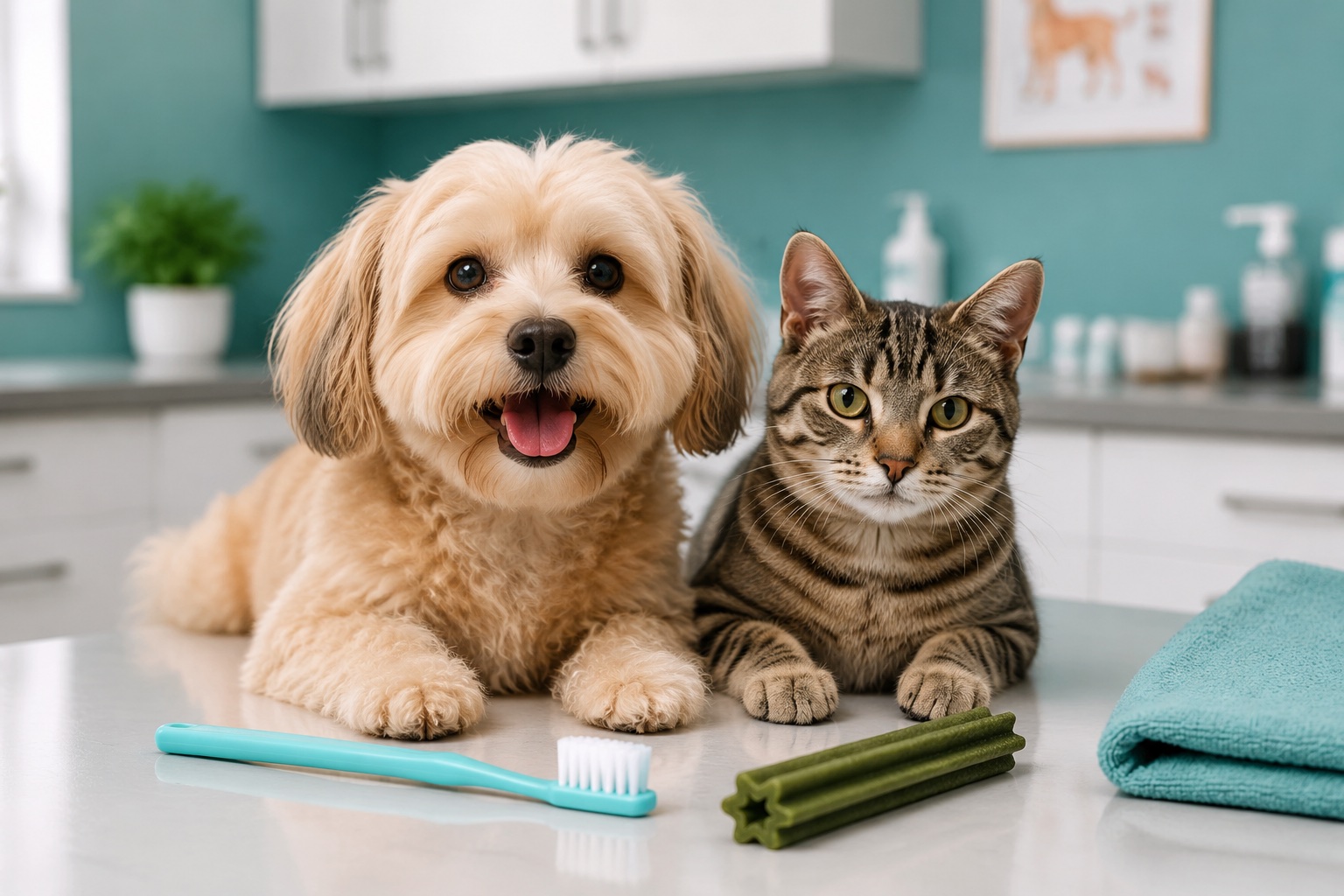
Educational pet-health and visit-preparation reference. Not a diagnosis, prescription, dosage recommendation or substitute for a veterinarian.
Care & observations
- Bring dental photos, food preference notes, medication list, prior bloodwork, and previous dental records if available.
- Write down consent questions before the visit: radiographs, extractions, pain medicine, antibiotics, diet, cone, and recheck timing.
- Ask which home-care products should start only after healing and which can begin immediately.
- Plan a quiet recovery area and medication log before the procedure day.
Seek veterinary care now
- Seek prompt care before a routine cleaning date if the pet develops facial swelling, mouth bleeding, inability to eat, severe drooling, or broken painful tooth.
- After a dental procedure, call urgently for breathing changes, collapse, uncontrolled pain, heavy bleeding, or inability to keep water down.
Contact your veterinarian soon
- Book dental follow-up as recommended, especially after extractions or advanced periodontal disease.
- Ask how often exams and cleanings should be planned based on breed, age, mouth findings, and home-care tolerance.
What to avoid
- Do not schedule anesthesia-free scaling as a substitute for a veterinary dental assessment when disease may be below the gumline.
- Do not restart hard chews or brushing after extractions until the clinic says healing allows it.
- Do not hide medication, anesthesia, or chronic disease history before a dental procedure.
MAKE YOUR OBSERVATIONS USEFUL
Bring a clear timeline to your vet
For the changes covered in this guide, note when they started, how often they happen, whether they are worsening and how they differ from your pet’s usual routine. List recent diet changes, medicines, travel or possible ingestion in time order. Add photos or a short video only when it is safe and will not delay care.
Open local health recordsSources & editorial context
- AAHA: Dog and Cat Dental Disease ↗American Animal Hospital Association
- American Veterinary Dental College ↗American Veterinary Dental College
- AVMA Pet Owner Resources ↗American Veterinary Medical Association
- VCA Know Your Pet ↗VCA Animal Hospitals
Migrated from the Pet Vet Reference project with its bilingual content preserved. Cited organizations provide background resources and do not endorse this site. Source-based compilation is not individual clinical review; this page does not claim veterinarian sign-off.
Read our editorial policy