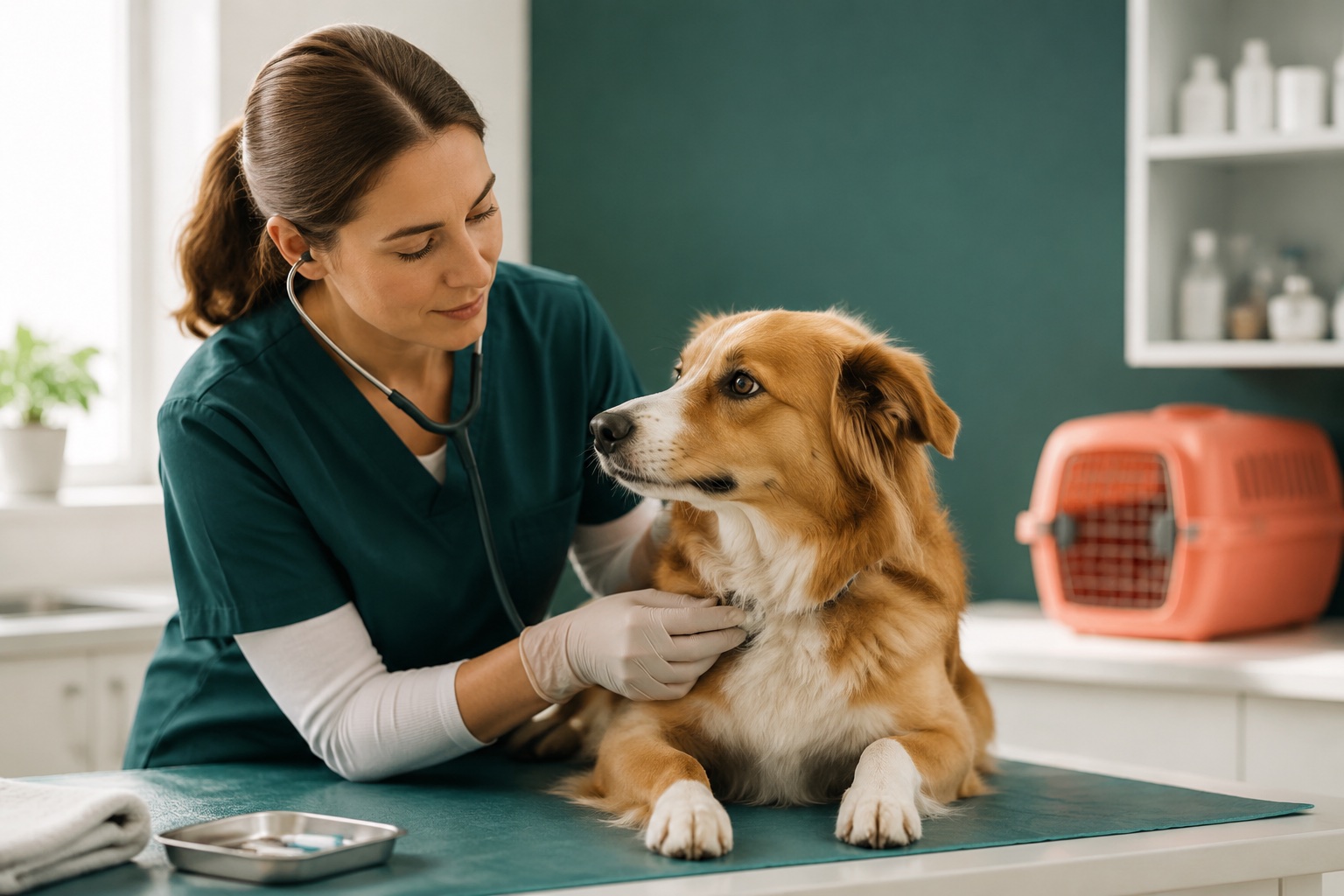
Educational pet-health and visit-preparation reference. Not a diagnosis, prescription, dosage recommendation or substitute for a veterinarian.
Care & observations
- Move remaining medication out of reach and keep the original packaging for the veterinarian or poison-control consultation.
- Call a veterinarian, emergency clinic, or animal poison-control resource with the exact product and amount if exposure may have happened.
- If instructed to travel, bring packaging, vomit photos if available, current medicines, and any supplements your pet uses.
- Use a locked cabinet, closed bags, and visitor reminders to prevent repeat exposures, especially with pets that chew purses or nightstand items.
Seek veterinary care now
- Treat suspected ingestion of human medication, unknown pills, large dosing mistakes, or toxin exposure as urgent until a professional tells you otherwise.
- Go urgently if there is vomiting, tremor, seizure activity, severe weakness, abnormal breathing, collapse, agitation, or rapid behavior change.
Contact your veterinarian soon
- Schedule a medication review if your pet takes multiple prescriptions, has kidney/liver/heart disease, or has had previous dosing confusion.
- Ask the clinic for written dosing instructions, exact concentration, measuring device, and what to do if a dose is missed.
What to avoid
- Do not induce vomiting, give milk, oil, salt, activated charcoal, or home remedies unless a veterinarian or poison expert instructs you.
- Do not wait for symptoms before calling about medication exposure; early advice may change the outcome.
- Do not split, crush, or change prescribed medication forms without asking the clinic, because some products release differently.
MAKE YOUR OBSERVATIONS USEFUL
Bring a clear timeline to your vet
For the changes covered in this guide, note when they started, how often they happen, whether they are worsening and how they differ from your pet’s usual routine. List recent diet changes, medicines, travel or possible ingestion in time order. Add photos or a short video only when it is safe and will not delay care.
Open local health recordsSources & editorial context
- ASPCA Animal Poison Control ↗ASPCA
- FDA Animal & Veterinary Resources ↗U.S. Food and Drug Administration
- AVMA Pet Owner Resources ↗American Veterinary Medical Association
- Merck Veterinary Manual: When to See a Veterinarian ↗Merck Veterinary Manual
Migrated from the Pet Vet Reference project with its bilingual content preserved. Cited organizations provide background resources and do not endorse this site. Source-based compilation is not individual clinical review; this page does not claim veterinarian sign-off.
Read our editorial policy