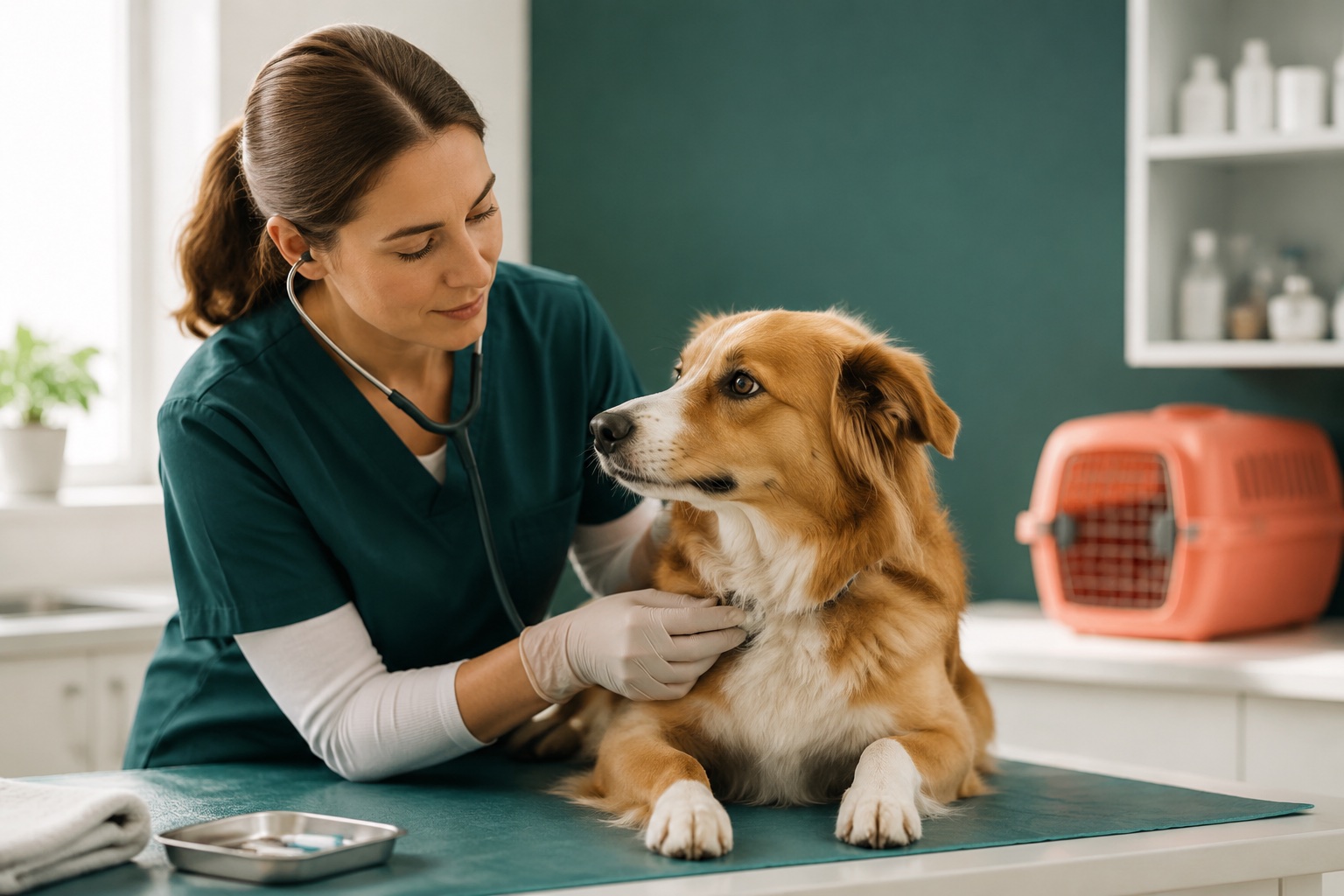
Educational pet-health and visit-preparation reference. Not a diagnosis, prescription, dosage recommendation or substitute for a veterinarian.
Care & observations
- Remove access to the food, save packaging, estimate the amount, and note the pet weight before calling for advice.
- If multiple pets had access, separate them and record who may have eaten what.
- Bring packaging, ingredient photos, and any vomit or stool photos if the clinic asks and it is safe.
- After the event, check pantry, trash, bags, children’s snacks, and visitor food storage for repeat access points.
Seek veterinary care now
- Call a veterinarian, emergency clinic, or animal poison-control resource immediately for xylitol, grapes/raisins, chocolate, onion/garlic, alcohol, or unknown mixed foods.
- Go urgently if the pet has tremors, weakness, collapse, repeated vomiting, severe diarrhea, abdominal pain, or behavior changes after exposure.
Contact your veterinarian soon
- Book a prevention conversation if your pet repeatedly steals food, raids trash, or lives with children or guests who leave food within reach.
- Ask your clinic what local poison-control resource they prefer and save it in your phone.
What to avoid
- Do not induce vomiting or give home remedies unless a veterinary professional or poison expert instructs you.
- Do not rely on internet dose charts for mixed products; ingredients, concentration, and pet weight change the risk.
- Do not assume a small bite is harmless when the ingredient is high risk.
MAKE YOUR OBSERVATIONS USEFUL
Bring a clear timeline to your vet
For the changes covered in this guide, note when they started, how often they happen, whether they are worsening and how they differ from your pet’s usual routine. List recent diet changes, medicines, travel or possible ingestion in time order. Add photos or a short video only when it is safe and will not delay care.
Open local health recordsSources & editorial context
- ASPCA Animal Poison Control ↗ASPCA
- FDA Animal & Veterinary Resources ↗U.S. Food and Drug Administration
- AVMA Pet Owner Resources ↗American Veterinary Medical Association
- Merck Veterinary Manual: When to See a Veterinarian ↗Merck Veterinary Manual
Migrated from the Pet Vet Reference project with its bilingual content preserved. Cited organizations provide background resources and do not endorse this site. Source-based compilation is not individual clinical review; this page does not claim veterinarian sign-off.
Read our editorial policy