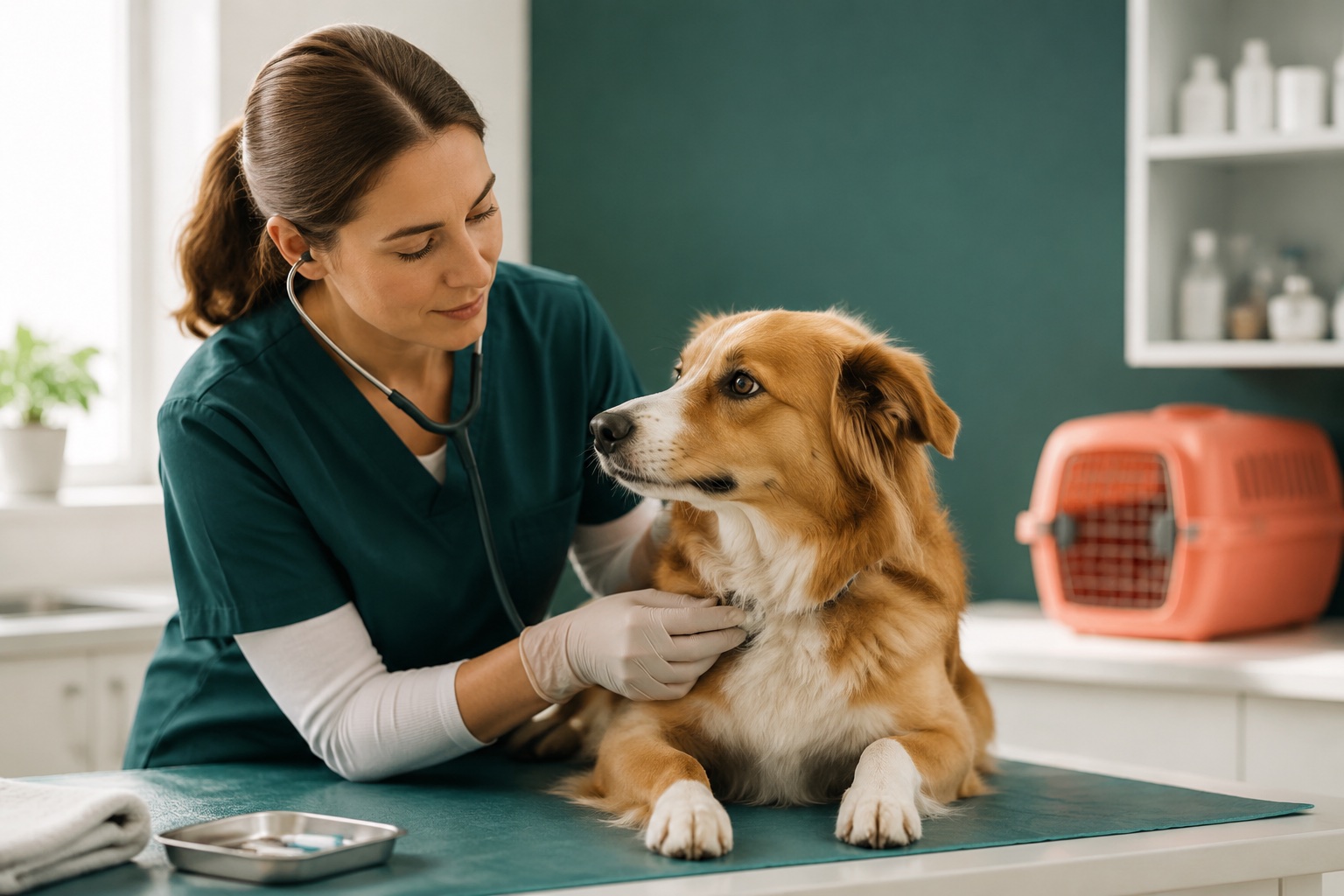
Educational pet-health and visit-preparation reference. Not a diagnosis, prescription, dosage recommendation or substitute for a veterinarian.
Care & observations
- Ask for written discharge instructions and read them before leaving if possible.
- Write down the clinic’s call-back threshold: which signs mean emergency, same-day call, or routine update.
- Use one medication log and one symptom log during the follow-up period.
- Take photos of incision, stool, urine, skin lesions, or food labels only if the clinic said they are useful.
Seek veterinary care now
- Call urgently after a visit if the pet worsens quickly, collapses, has breathing trouble, cannot urinate, has repeated vomiting, uncontrolled pain, seizures, or medication overdose.
- If instructions conflict or a dose was given incorrectly, contact the clinic rather than guessing.
Contact your veterinarian soon
- Schedule the recommended recheck even when the pet looks better if labs, imaging, stitches, or chronic medication adjustments are involved.
- Ask what improvement should look like by 24 hours, 48 hours, one week, or the next milestone.
What to avoid
- Do not stop medication early because signs improved unless the clinic tells you to.
- Do not wait silently when side effects, cost barriers, or handling problems make the plan hard to follow.
- Do not combine advice from multiple sources without telling the treating veterinarian.
MAKE YOUR OBSERVATIONS USEFUL
Bring a clear timeline to your vet
For the changes covered in this guide, note when they started, how often they happen, whether they are worsening and how they differ from your pet’s usual routine. List recent diet changes, medicines, travel or possible ingestion in time order. Add photos or a short video only when it is safe and will not delay care.
Open local health recordsSources & editorial context
- AVMA Pet Owner Resources ↗American Veterinary Medical Association
- AAHA Clinical Practice Guidelines ↗American Animal Hospital Association
- WSAVA Global Guidelines ↗World Small Animal Veterinary Association
- VCA Know Your Pet ↗VCA Animal Hospitals
Migrated from the Pet Vet Reference project with its bilingual content preserved. Cited organizations provide background resources and do not endorse this site. Source-based compilation is not individual clinical review; this page does not claim veterinarian sign-off.
Read our editorial policy